Why the Secret to Stopping Late-Life Brain Fog Starts in Your Gut, Not Your Brain
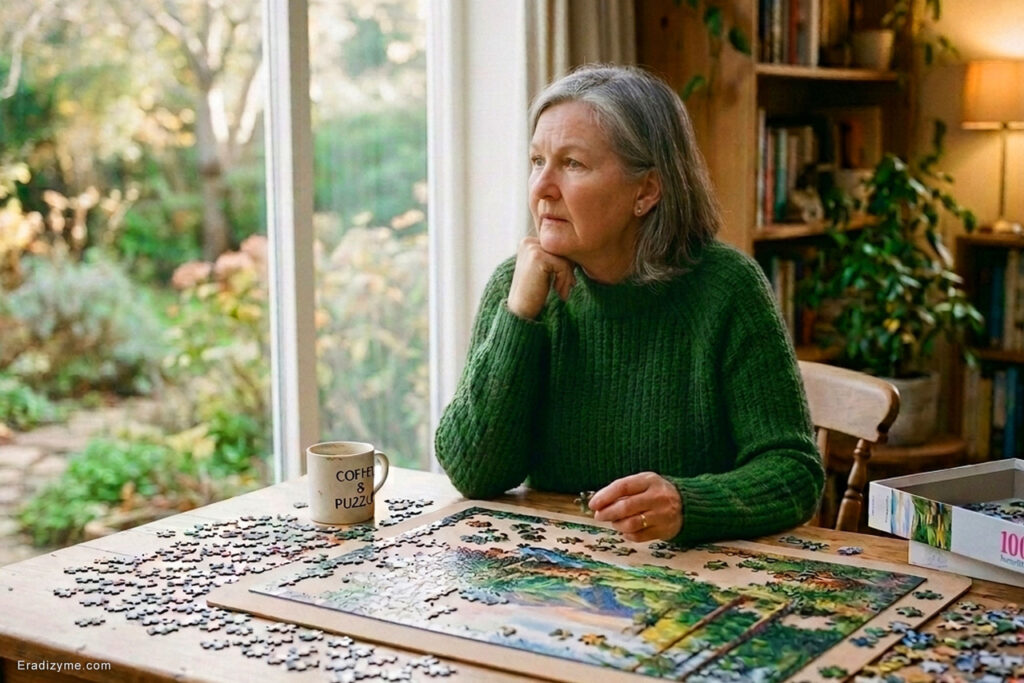
Janice sits at her living room table, quietly staring at a puzzle as a sudden wave of forgetfulness stalls her concentration. For decades, conventional trends in senior care focused strictly on the brain, tracking cognitive changes with single-target pharmaceutical drugs. A growing body of independent clinical observations suggests that the real driver of this cognitive fade, may not originate in the brain at all. Instead, researchers are looking deep inside the dark chambers of the gastrointestinal tract.
The senior gut contains trillions of microorganisms that dictate emotional stability, neurochemical production, and brain longevity. The emerging field of psychobiotics represents a massive departure from traditional neurochemicalmodels, moving away from an isolated brain approach toward a holistic, systems-based method. Psychobiotics are live organisms that, when ingested in adequate amounts, produce documented health benefits for patients experiencing psychiatric symptoms and cognitive decline. This rapidly maturing area of research offers a highly documented, natural alternative to the often-ineffective and side-effect-laden pharmaceutical interventions frequently observed in conventional medicine.
Data Observations: The Root Cause of Senior Memory Loss and Anxiety
Traditional care protocols often rely on mood stabilizers or selective serotonin reuptake inhibitors that carry heavy side effects. In contrast, emerging data views psychobiotics as a master regulator of the entire internal defense system, managing systemic inflammation. Published data indicates that these beneficial bacteria provide direct protection of the intestinal barrier, limiting the leakage of inflammatory toxins like lipopolysaccharide into the bloodstream. This specific biological leakage triggers widespread neuroinflammation. and is deeply associated with late-life depression and memory deterioration.
Neuroinflammation is a form of chronic, low-grade swelling that occurs directly within the brain and central nervous system. Unlike a typical injury, such as a bumped head or a bruised arm that swells and heals quickly, neuroinflammation is a quiet, hidden immune response. When toxins continuously leak from a weakened gut into the bloodstream, they bypass the brain’s defense shields and activate its internal immune cells. This places the brain in a constant state of high alert, causing local tissue irritation that damages delicate neural pathways, clouds short-term memory, and directly fuels late-life depression.
Further, scientific literature notes that these specialized microbes are capable of direct neurochemical production within the gut lining to preserve aging minds. Clinical trials demonstrate that certain strains can synthesize GABA, a vital neurotransmitter that serves as the body’s natural internal braking system. Much like a volume knob that dials down overactive nerve cells, GABA attaches to specific neurological receptors to slow down racing thoughts, ease muscle tension, and dampen the brain’s panic response.
While this chemical creates mental tranquility in the brain, a massive supply of it is actively manufactured right inside the gastrointestinal tract by beneficial psychobiotic microbes. They simultaneously improve systemic antioxidant status, limit lipid peroxidation, and reduce inflammatory cytokine production. This multifaceted defense directly modulates the gut-brain axis through activation of neural pathways, stopping the biological “sickness behavior” that mirrors severe anxiety and cognitive decline.
According to available trials, specific strains of Bifidobacterium and Lactobacillus significantly improve measures of anxiety, chronic fatigue, and depression. For obsessive-compulsive and memory challenges, these psychobiotic bacteria offer an accessible alternative to expensive prescription drugs. Independent studies on natural remedies like ashwagandha and milk thistle show comparable efficacy to the drug fluoxetine for obsessive symptoms.
To understand why these natural alternatives work, independent literature highlights the versatile role of inositol. More accurately known as a specialized sugar alcohol compound rather than a true vitamin, inositol represents a nutrient historically referred to as Vitamin B8. It acts like an internal communication tower for your nervous system. It serves as a critical “second messenger” for neurons, essentially activating the communication process between cells to ensure that messages sent by neurotransmitters like dopamine and serotonin are properly delivered to their targets. This fundamental role in cellular signaling makes inositol indispensable for maintaining proper brain function and emotional equilibrium
While therapeutic dosages are utilized in clinical anxiety trials, older adults can naturally support this internal signaling by consuming foods high in this foundational compound.
Key dietary sources of natural inositol include:
- Whole Grains and Wheat Bran: Unprocessed grains serve as an incredibly potent source of inositol-forming plant fibers.
- Citrus Fruits and Melons: Fresh oranges, grapefruits, and seasonal cantaloupe contain some of the highest concentrations of active myo-inositol per serving.
- Beans and Legumes: Great Northern beans, chickpeas, lentils, and organic soy products offer high amounts of dense nutritional support.
- Nuts and Seeds: Everyday snacks like almonds, walnuts, peanuts, and sunflower seeds are packed with healthy defense-supporting fats and fiber.
- Meats and Organ Meats: Traditional animal sources, especially clean liver and kidneys, supply abundant, highly bioavailable concentrations.
Clinical research demonstrates that this nutrient can effectively reduce severe panic, with one double-blind study showing that 18 grams of inositol daily reduced weekly panic attacks by four, outperforming the pharmaceutical drug fluvoxamine.
A separate crossover study found that 12 grams per day of inositol was as effective as imipramine for reducing panic severity, while also demonstrating significant improvements for obsessive-compulsive symptoms without the dangerous side effects associated with pharmaceutical interventions.
Public trial data shows this targeted signaling can reduce symptom severity by 50 percent. Similarly, N-acetylcysteine, a customized compound made from a basic protein building block that serves as the essential raw material for creating glutathione, the body’s master antioxidant, to actively soothe tissue swelling, can lower symptoms by up to 35 percent.
The Pharmaceutical Impact on the Aging Gut Ecosystem
Independent researchers routinely analyze how common, nonantibiotic medications prescribed to older adults can inadvertently alter this vital internal environment. While it is common knowledge that antibiotics wipe out gut bacteria, recent landmark research revealed a hidden danger: nearly one in four nonantibiotic medications, meaning ordinary, everyday prescriptions for heart health, acid reflux, or mood management that are not intended to kill bacteria, yet still suppress beneficial gut microbes, inadvertently alter the internal environment, allowing harmful ones to multiply.
This list of observed items includes:
- Proton pump inhibitors used for senior acid reflux
- Cholesterol-lowering statins used for heart health
- Standard synthetic antidepressants used for mood management
- Everyday over-the-counter antihistamines used for allergy relief
Data shows this drug-induced dysbiosis, meaning a severe ecosystem imbalance where beneficial microbes are suppressed and harmful ones are allowed to overrun the gut, like ”weeds,” can persist for months, leaving seniors vulnerable to persistent cycles of anxiety, depression, and progressive memory issues. The modern, processed diet further starves these essential microbes, causing severe system vulnerability and accelerating cognitive decline. Conversely, comparative lifestyle studies show, that adopting a natural, fiber-rich ancestral diet, meaning a whole-food diet entirely free from modern processed sugars and factory chemical additives, for just three days increases gut diversity by a staggering 20 percent.
To replicate these defensive results at home, older adults can follow a suggestive prebiotic grocery list specifically formulated to feed their internal ecosystem. Probiotics cannot survive or protect the brain without proper fuel, meaning seniors should prioritize these gut-healing items on their next shopping trip:
- Jerusalem Artichokes: Loaded with inulin fiber to actively multiply beneficial bifidobacteria.
- Alliums (Garlic, Onions, Leeks): Rich raw prebiotic sources that strengthen structural barrier walls.
- Under-Ripe Bananas: Excellent sources of digestible fiber to support colon energy levels.
- Cold, Cooked Potatoes: Packed with resistant starch that directly seals the intestinal barrier.
- Chicory Root and Asparagus: Ancestral plants that supply raw fuel to clear out systemic brain fog.
When psychobiotics are obtained through traditional fermented foods like kefir, kimchi, and sauerkraut, they introduce a complex ecosystem of bacteria that have coevolved with the human gut. These microbes work in concert with prebiotic fibers to produce short-chain fatty acids like butyrate, propionate, and acetate.
These fatty acids act as the cornerstone of a robust internal defense system, fueling colon cells, strengthening the intestinal barrier, and regulating metabolism. Ultimately, the data suggests that true memory preservation and mental clarity rely on restoring this ancestral microbial matrix ,meaning the deeply rooted, diverse internal ecosystem of ancient, protective bacterial strains that our bodies rely on, as a natural health shield, rather than policing senior cognitive symptoms with a synthetic, single-target drug.
By supporting this internal ecosystem, older adults can protect the critical pathways that keep the mind sharp. For Janice, looking beyond the puzzle on her table, and focusing on nourishing her gut microbiome, provides a scientifically grounded, significant pathway to reclaiming her daily clarity and preserving her cognitive vitality.
About the Author: This article was compiled by the Head Researcher at Eradizyme. The Eradizyme head researcher specializes in studying systemic internal defense, enzymatic hydrolysis, and the profound impacts of gut health as a major structural defense mechanism for the body, including specialized research into how compromised internal systems increase vulnerability to persistent parasite cycles like bird and rodent mites. For deeper data breakdowns and foundational research on environmental wellness and biological shields, visit the Eradizyme Knowledge Hub. on the Eradizyme.com website
References:
- Selhub, E. M., et al. The gut-brain-skin axis: alter-aging and the microbiome. Journal of Physiological Anthropology. nih.gov
- Nature Journal. Extensive impact of non-antibiotic drugs on human gut microbes. Nature Portfolio. nature.com
- Psychiatric Annals. Nutritional and Microbial Interventions in Obsessive-Compulsive Disorder and Related Anxiety Frameworks. Neuro-Nutrient Matrix Trials.
- Cell Host & Microbe. Short-term dietary changes alter the human gut microbiome and short-chain fatty acid profiles. Hadza Lifestyle Tracking Project.
Disclaimer: This article is presented strictly as an independent review of emerging scientific research and clinical trends for educational purposes. It does not constitute direct medical advice, diagnosis, or treatment protocols. Older adults should always consult with a qualified healthcare professional or primary physician before altering their medication schedules or introducing new dietary supplement routines.